
Choosing the right off-road suspension system is one of the most important decisions for any 4×4 owner, overlander, or off-road enthusiast. A well-designed suspension system doesn’t just improve ride comfort—it directly impacts safety, traction, durability, and vehicle capability.
Modern suspension technology has evolved rapidly, and today’s high-performance shocks offer advanced features that were once reserved for racing vehicles.
In this guide, we break down the top 7 features you should look for when upgrading your off-road suspension system.
1. Monotube Shock Construction
Monotube shocks are widely considered the standard for performance off-road applications.
Unlike twin-tube designs, monotube shocks use a single high-pressure chamber that improves:
- Heat dissipation
- Damping consistency
- Responsiveness
- Durability under stress
This makes them ideal for aggressive off-road driving and long-distance overlanding.
2. Remote Reservoir Design
A remote reservoir significantly improves shock performance by increasing fluid capacity.
Benefits include:
- Reduced heat buildup
- Improved damping stability
- Better performance during extended off-road use
- Reduced shock fade
This feature is especially important for desert driving, overlanding, and high-speed off-road conditions.
3. Adjustable Compression and Rebound Damping
Adjustability allows drivers to fine-tune suspension performance based on terrain and load.
Compression Adjustment Controls:
- Impact absorption
- Ride stiffness
- Body control
Rebound Adjustment Controls:
- Suspension return speed
- Stability after bumps
- Tire contact consistency
This flexibility is essential for multi-terrain driving.
4. Large Shock Body Diameter
Shock size directly affects performance.
Common performance sizes include:
- 2.0 inch
- 2.5 inch
- 3.0 inch
Larger diameters provide:
- Greater oil capacity
- Better cooling efficiency
- Increased load handling
- Improved off-road durability
5. High-Quality Materials and CNC Machining
Precision manufacturing ensures reliability under extreme conditions.
Look for:
- CNC-machined aluminum components
- Hard-anodized finishes
- High-strength steel shafts
- Corrosion-resistant coatings
These materials significantly improve longevity and performance.
6. Vehicle-Specific Tuning
A one-size-fits-all suspension system rarely performs optimally.
High-quality systems are tuned for specific vehicles such as:
- Toyota 4Runner
- Toyota Land Cruiser
- Jeep Wrangler
- Ford F150
- Nissan Patrol
Vehicle-specific tuning ensures proper ride height, damping behavior, and suspension geometry.
7. Lift Kit Compatibility
Many off-road builds include suspension lifts.
A proper suspension system must maintain:
- Correct geometry
- Suspension travel
- Stability under lifted conditions
Poorly matched shocks can lead to instability and reduced performance.
Why These Features Matter
Together, these features determine how well your suspension performs in real-world conditions.
A high-quality system improves:
- Comfort on long trips
- Control on technical terrain
- Safety under load
- Overall vehicle capability
Why HPR Offroad Shocks Incorporates These Features
At HPR Offroad Shocks, our suspension systems are engineered with all modern performance features, including:
- Monotube architecture
- Remote reservoir technology
- Adjustable damping systems
- CNC-machined construction
- Vehicle-specific applications
We design our products for serious off-road enthusiasts, overlanders, and performance-driven drivers worldwide.
Final Thoughts
Choosing the right suspension system is not just about upgrading your vehicle—it’s about improving every aspect of your driving experience.
By focusing on these seven key features, you can ensure your investment delivers long-term performance, comfort, and reliability.
Explore HPR’s complete range of high-performance suspension systems today:
https://www.hpr-offroadshocks.com/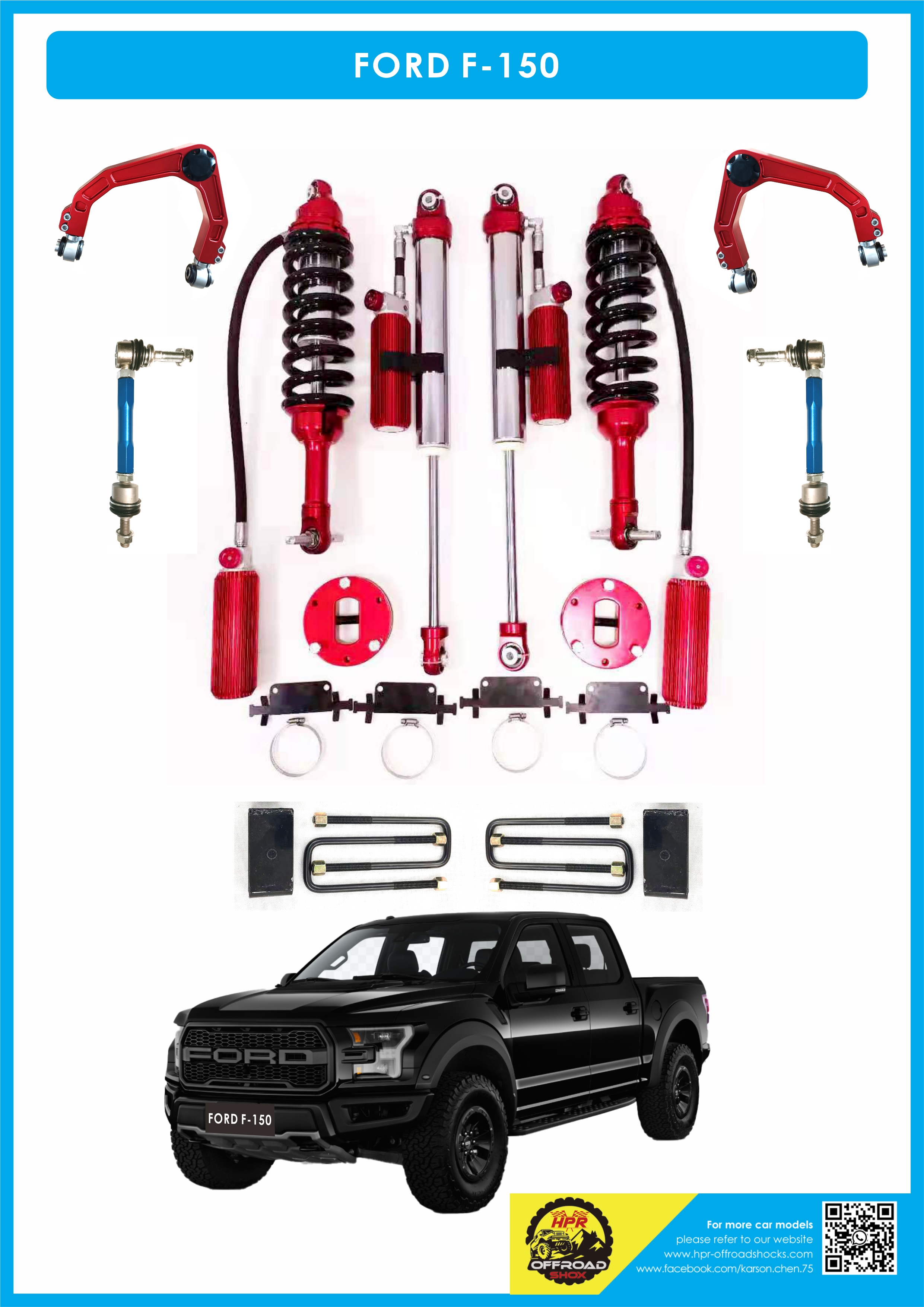
Post time: Jul-11-2026