
When shopping for suspension upgrades, off-road enthusiasts frequently encounter two common shock absorber designs:
- Monotube shocks
- Twin-tube shocks
While both perform the same fundamental task of controlling suspension movement, their internal construction differs significantly.
Understanding these differences can help you select the right shock absorber for your driving style, terrain, and performance goals.
Let’s examine how each design works and determine which option is best suited for serious off-road applications.
Understanding Shock Absorber Basics
Shock absorbers control the movement of suspension springs.
Without shocks, a vehicle would continue bouncing after every bump.
Effective damping helps:
- Improve ride comfort
- Enhance handling
- Maintain tire contact
- Increase vehicle stability
The internal architecture of the shock determines how effectively it performs these tasks.
What Is a Monotube Shock?
A monotube shock uses a single cylinder housing that contains both the hydraulic oil and nitrogen gas.
A floating piston separates the oil from the gas chamber.
This design has become increasingly popular in performance and off-road applications.
Key Components
- Single pressure tube
- Floating dividing piston
- High-pressure nitrogen gas
- Large piston diameter
The simplified design provides several performance advantages.
Advantages of Monotube Shocks
Superior Heat Dissipation
Heat is one of the biggest factors affecting shock performance.
Because the working cylinder is directly exposed to outside air, monotube shocks dissipate heat more efficiently.
Benefits include:
- Consistent damping
- Reduced fade
- Better long-term performance
Larger Piston Area
Monotube shocks often feature larger pistons.
This allows for:
- More precise damping control
- Improved responsiveness
- Better suspension tuning
Better Performance in Extreme Conditions
Off-road enthusiasts frequently encounter:
- Desert terrain
- Mountain trails
- High-speed washboard roads
Monotube designs excel under these demanding conditions.
What Is a Twin-Tube Shock?
A twin-tube shock uses two concentric cylinders.
The inner tube serves as the working chamber, while the outer tube stores excess hydraulic fluid.
Twin-tube designs are commonly found in many factory suspension systems.
Advantages of Twin-Tube Shocks
Lower Manufacturing Cost
Twin-tube shocks are often more affordable.
This makes them attractive for:
- Daily drivers
- Budget-conscious upgrades
- Light-duty applications
Comfortable Ride Characteristics
Twin-tube shocks typically provide a softer ride, making them suitable for everyday road use.
Greater Protection Against Minor Damage
The outer tube can provide some protection from minor dents and impacts.
Limitations of Twin-Tube Designs
While twin-tube shocks offer certain advantages, they also have limitations.
Reduced Cooling Efficiency
The working cylinder is surrounded by a second tube, limiting heat dissipation.
Increased Risk of Shock Fade
Under prolonged off-road use, higher temperatures can reduce damping consistency.
Less Precise Damping Control
Smaller piston sizes may limit tuning flexibility compared with monotube designs.
Why Most Performance Off-Road Shocks Use Monotube Technology
The majority of premium off-road suspension systems utilize monotube architecture because of its performance advantages.
Drivers benefit from:
- Better heat management
- More consistent damping
- Improved responsiveness
- Enhanced durability
These characteristics become especially important when driving:
- Long distances off-road
- At higher speeds
- With heavier vehicle loads
The Role of Remote Reservoirs
Many advanced monotube shocks include remote reservoirs.
This configuration offers additional benefits:
Increased Oil Capacity
More fluid improves thermal stability.
Enhanced Cooling
Additional volume helps reduce operating temperatures.
Better Performance Consistency
Drivers experience reliable damping over extended periods of off-road use.
Remote reservoir monotube shocks are widely considered the gold standard for overlanding and performance off-road applications.
Which Shock Design Should You Choose?
Choose Twin-Tube Shocks If:
- You primarily drive on pavement
- You occasionally use light trails
- Budget is a primary concern
- Extreme off-road performance is not required
Choose Monotube Shocks If:
- You frequently drive off-road
- You carry heavy equipment
- You value performance and durability
- You want superior heat management
For most serious enthusiasts, monotube shocks provide the best balance of capability and reliability.
Why HPR Offroad Shocks Focus on Performance Engineering
At HPR Offroad Shocks, our suspension systems are designed to meet the demands of modern off-road driving.
Key features include:
- Monotube performance architecture
- Remote reservoir technology
- Adjustable damping options
- Precision CNC-machined components
- Vehicle-specific tuning
Our products are engineered to provide exceptional comfort, control, and durability across a wide range of environments.
Final Thoughts
Both monotube and twin-tube shocks have their place in the suspension market.
However, for drivers seeking maximum off-road capability, consistent performance, and long-term reliability, monotube shocks typically offer significant advantages.
Whether you’re building an overlanding vehicle, upgrading a lifted truck, or preparing for challenging trails, choosing the right shock design can dramatically improve your driving experience.
Explore HPR’s complete lineup of high-performance suspension solutions today:
https://www.hpr-offroadshocks.com/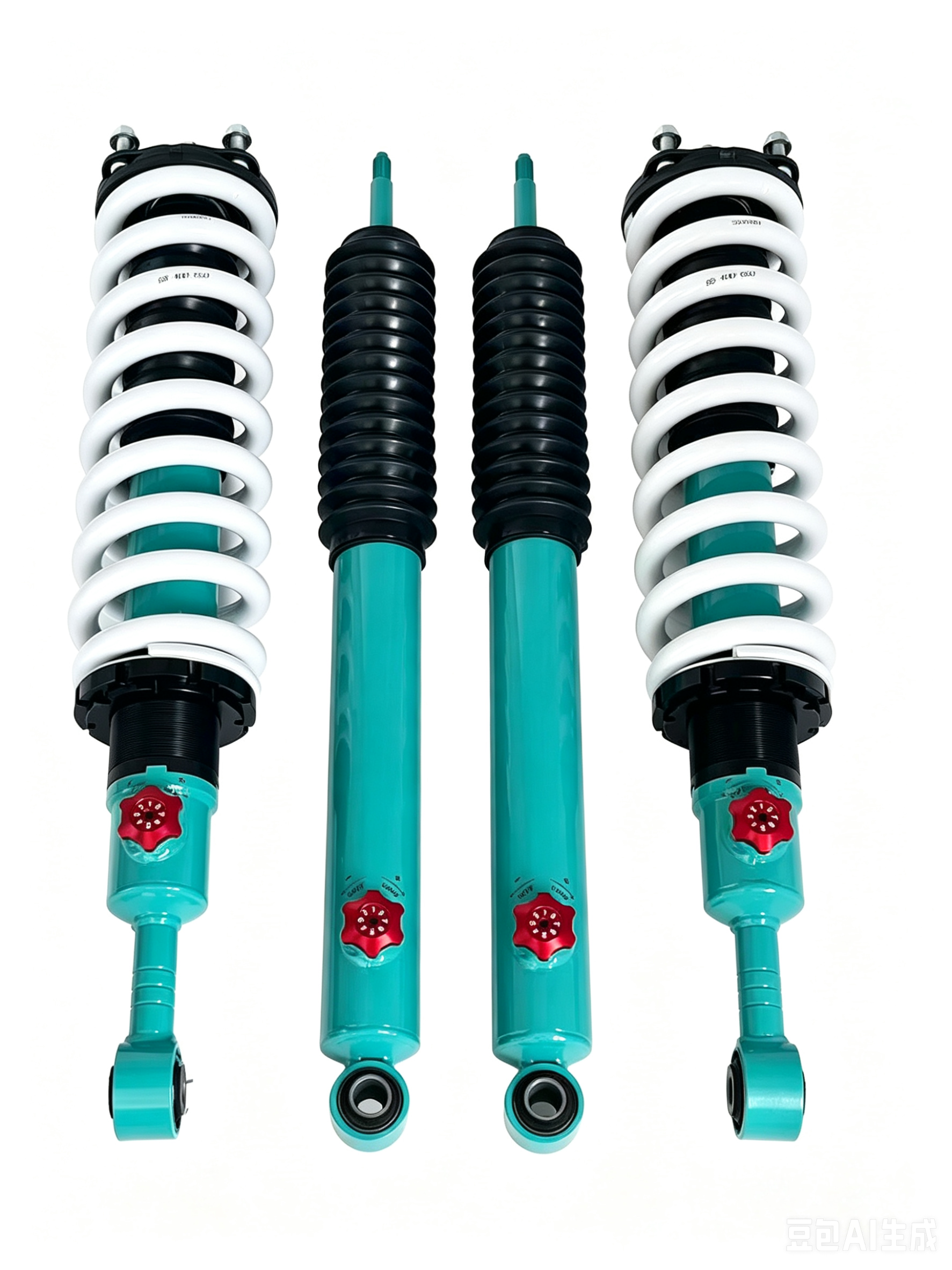
Post time: Jul-11-2026