
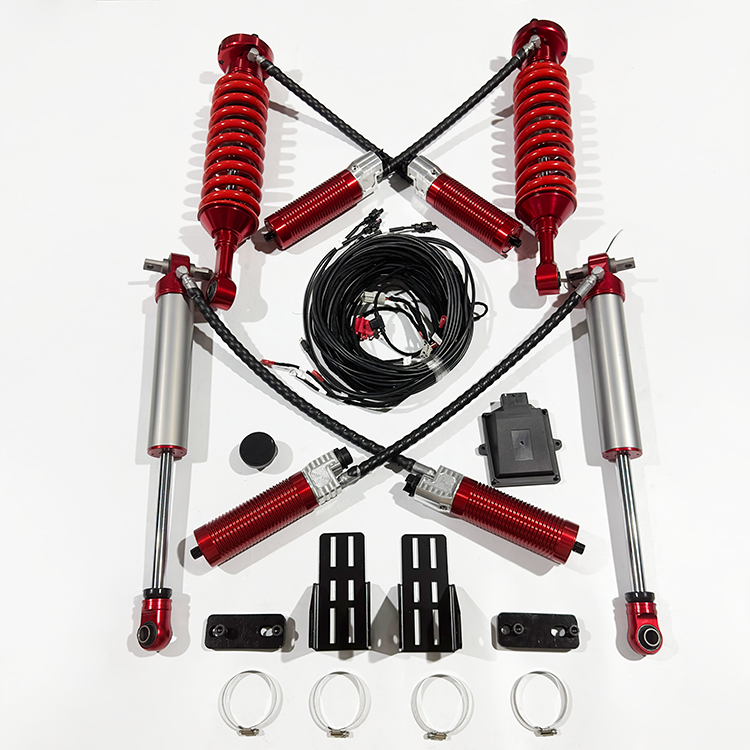
You’ve probably heard that nitrogen is better for shocks than regular air—but why? When it comes to off-road performance, the choice of gas in your shocks makes a huge difference, and HPR’s CDC Nitrogen shocks leverage this science to deliver unmatched durability and consistency.
First, nitrogen is inert—meaning it doesn’t react with oil or metal components in the shock. Unlike air, which contains moisture and oxygen, nitrogen won’t cause corrosion or break down the shock’s internal parts over time. That’s a big deal for off-roaders who tackle harsh conditions: mud, water, dust, and extreme temperatures won’t wear down your shocks as quickly.
Second, nitrogen doesn’t foam under pressure. When you hit a big bump or drive aggressively, traditional oil-air shocks can develop foam, which reduces damping efficiency (called “shock fade”). Nitrogen’s stability prevents foaming, so your CDC shocks maintain consistent performance even during long, intense off-road sessions. Whether you’re crawling over rocks for hours or bombing down a dirt road, the damping force stays precise—no loss of control when you need it most.
Finally, nitrogen maintains pressure better than air. Changes in temperature (common when off-roading in deserts or mountains) won’t cause big pressure swings, so your shocks’ performance stays predictable. For GWM TANK 300 owners, this means a suspension that’s reliable, long-lasting, and ready to tackle any trail—no matter how tough.
The science of nitrogen isn’t just technical jargon—it’s the reason HPR CDC shocks outperform traditional options in durability and consistency. When you invest in CDC Nitrogen shocks, you’re investing in a suspension that works as hard as you do.
Post time: Jan-08-2026